

Elevators are a common means of transportation in daily life, but they require significant safety measures for reliable operation. In this article, we will delve into elevator safety components, the importance of certification, and the safety contributions these components provide.
- Overspeed Governor: The overspeed governor detects excessive elevator speed and initiates the safety response, certified to meet international or local safety standards.
- Door Locking Mechanisms: Certified mechanisms ensuring the safe closing of elevator doors in compliance with international standards.
- Safety Gear: Devices that stop and hold the car on the guide rails, certified to function effectively during emergencies.
- Cabin and Counterweight Buffers: Buffers that absorb energy if the car or counterweight travels beyond its normal lower limit.
- Elevator Motor: Certified motor systems ensuring the safe and consistent operation of the elevator, complying with international safety standards.
- Electronic Safety-Circuit Boards: Critical electronic circuits ensuring elevator safety, integrated into certified circuit boards.
Certification of elevator safety components verifies compliance with international standards and performance criteria, ensuring reliability and enhancing passenger safety.
Certification of safety components is crucial for maintaining elevator safety and ensuring passenger security during travel. Compliance with standards and certification processes supports industrial safety standards and readiness for emergency situations.
Similar Topics

23.06.2026
As global construction and infrastructure projects continue to expand, the demand for reliable elevator manufacturers has never been higher. For distributors, contractors, developers, and elevator companies worldwide, Türkiye has become one of the most attractive...
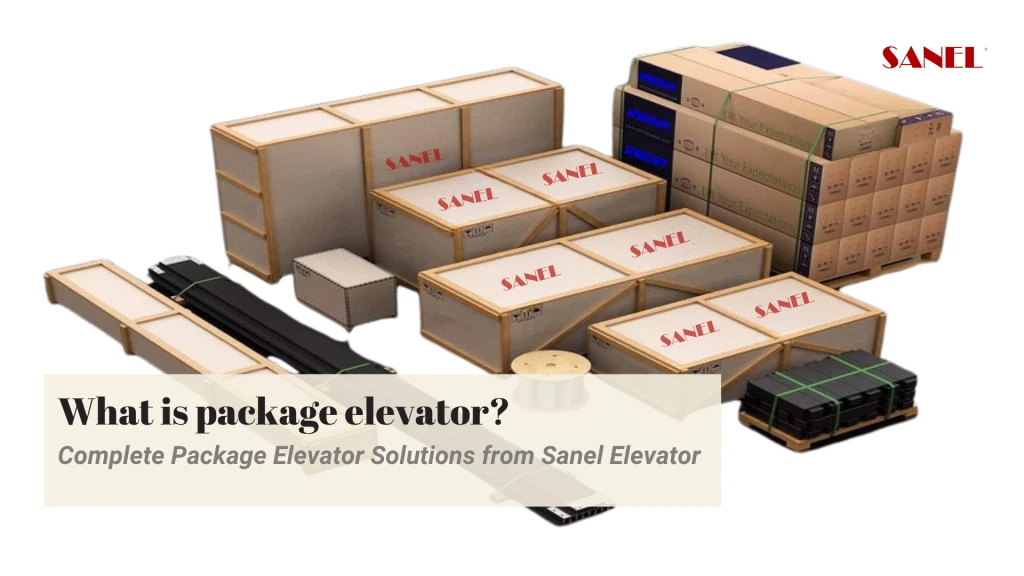
30.10.2025
The question “What is a packaged elevator?” is frequently asked by construction companies and building managers.Simply put, a packaged elevator is a complete elevator system where all mechanical, electrical, and decorative components are offered together...
29.10.2025
🙏 What to Do If You Get Stuck in an Elevator? First Step: Stay Calm The question “what to do if you get stuck in an elevator” can be stressful for many people.However, the first...
